
You step inside to warm up, but instead of comfort, you notice dry skin, scratchy throats, and static shocks every time you touch a doorknob. Winter air in Southern Ohio often feels crisp outside, yet that dryness does not stay outdoors. Once heating systems start running full-time, indoor air can lose even more moisture. At Chillicothe Comfort Heating & Air, we help homeowners in Chillicothe, OH improve their indoor comfort and balance their air during the coldest months.
Why Does Winter Air Feel So Dry Indoors?
Cold air naturally holds less moisture than warm air. When outdoor temperatures drop, the air coming into your home already contains very little humidity. Once that air is heated, the relative humidity drops even further. The result is dry indoor air that affects both comfort and health.
In Southern Ohio, winter temperature swings can make this even more noticeable. Your heating system may run constantly during cold stretches, circulating dry air throughout the house. If your home is tightly sealed for energy efficiency, the air inside can become trapped and increasingly dry. Without a source of added moisture, humidity levels can fall well below the recommended indoor range.
What Are the Signs Your Indoor Air Is Too Dry?
Low humidity affects more than comfort. Many homeowners notice physical symptoms before they realize low humidity is the cause. Common signs include:
- Dry or irritated skin and chapped lips
- Frequent static electricity shocks
- Cracked wood trim or shrinking hardwood floors
- Nosebleeds or sinus irritation
- Increased coughing or scratchy throats
You may also notice houseplants struggling or furniture joints loosening. Wood and other natural materials respond to moisture levels in the air. When humidity drops too low, materials contract. Over the course of a winter, that shrinkage can create gaps in flooring or small cracks in cabinetry.
How Does Dry Air Affect Indoor Air Quality?
Indoor air quality (IAQ) is about more than just filtration. Proper humidity levels are part of a balanced indoor environment. When air becomes too dry, it can irritate the respiratory system and make airborne particles more likely to remain suspended.
Dry air can also make dust feel more noticeable. With lower humidity, particles do not settle as easily. That can contribute to discomfort for anyone with allergies or asthma. While high humidity can create its own problems, winter dryness often pushes homes to the opposite extreme. A balanced humidity level supports comfort, protects surfaces, and contributes to healthier IAQ overall.
Can Your Heating System Make the Problem Worse?
Your heating system does not create dryness on purpose, yet it can amplify it. Furnaces warm the air, and as that air warms, relative humidity drops. The more frequently your system cycles, the more dry air circulates.
If your home uses a forced air system, dry air moves through every room through the ductwork. Houses with older duct systems may also pull in small amounts of cold, dry outside air through tiny gaps, compounding the issue.
How Do Humidifiers Help Restore Comfort?
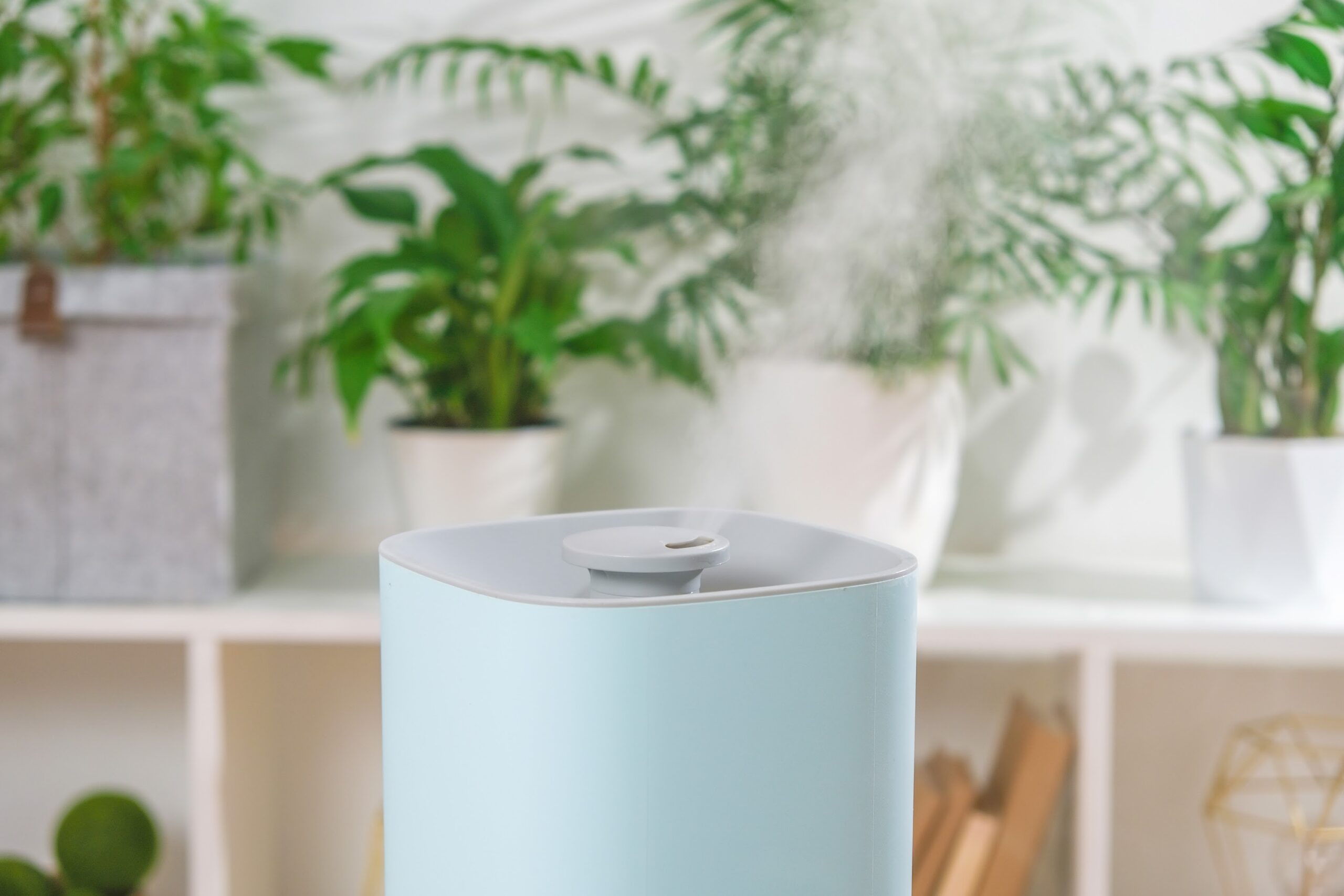
A humidifier adds controlled moisture back into your indoor air. A whole-home humidifier integrates with your HVAC system and distribute humidity through existing ductwork. This allows you to maintain a steady indoor humidity level rather than chasing dryness from room to room.
When properly sized and installed, a humidifier can reduce static electricity, ease dry skin symptoms, and protect wood furnishings from excessive shrinkage. It can also make your home feel warmer at lower thermostat settings. Moist air retains heat differently than dry air, so you may be able to feel comfortable without raising the temperature as much.
Portable humidifiers can offer temporary relief, but they require constant refilling and maintenance. A whole-home system works automatically with your heating equipment and adjusts output based on indoor conditions.
When Should You Call for Help?
If you notice ongoing dryness despite adjusting your thermostat or using small humidifiers, it may be time to evaluate your indoor humidity levels professionally. An HVAC technician can measure your home’s relative humidity and determine whether a humidifier would improve it. They can also check for airflow issues or duct leakage that may be contributing to dry conditions.
Restoring Balance to Your Winter Air
Winter dryness in Southern Ohio homes often comes from a combination of cold outdoor air and steady indoor heating. Left unaddressed, low humidity can affect comfort, surfaces, and respiratory health. Whole-home humidifiers and IAQ evaluations provide practical solutions to restore balance throughout your home. At Chillicothe Comfort Heating & Air, we help homeowners improve indoor comfort with professional humidifier installation and indoor air quality services.
Schedule an appointment with Chillicothe Comfort Heating & Air, and bring healthy moisture back into your winter air in Chillicothe.